Last Updated: November 10, 2026
Quick Summary
Buying premium wine online in 2026 is worth it because independent merchants offer mature vintages and rare bottles that never reach supermarket shelves, often below high-street specialist prices. The trade-off is trust, so choose a merchant who verifies provenance and packs properly.
- Premium wine comes from a specific place, a named producer and a declared vintage.
- Store bottles laid down at a steady temperature, away from light and vibration.
- Build a first order around six bottles: sparkling, two reds, a white, a fortified wine and a wildcard.
- Under £50 buys mature, food-friendly bottles such as Faustino I Reserva 2008 at £26.00.
- Above £100 you pay for scarcity and reputation as much as liquid.
Table of Contents
- Why Buy Premium Wine Online in 2026?
- What Premium Wine Actually Means Before You Buy
- The Best Wine for Special Occasions: Bottles Worth Opening
- How to Choose a Fine Wine for a Gift
- How to Store Fine Wine at Home After Delivery
- Provenance, Authenticity and Delivery: What to Check
- Premium Wine Prices: What You Pay at Each Level
- Building Your First Premium Wine Order
- Frequently Asked Questions
Why Buy Premium Wine Online in 2026?
Buying premium wine online in 2026 gives you access to bottles that never reach supermarket shelves, often at prices below high-street specialists. Independent merchants have become a real home for fine wine, because a curated online shop can hold mature vintages and rare finds that a chain may not stock.
The trade-off is trust. You cannot tilt the bottle to check the fill level, so you need a merchant who verifies provenance and packs properly. Below, we explain what premium actually means, which bottles suit which occasion, and how to build a first order without wasting money.
What Premium Wine Actually Means Before You Buy
Premium wine is a bottle whose quality comes from a specific place, a named producer and a declared vintage, rather than from a marketing label. Three things separate it from everyday drinking: vineyard origin, producer reputation, and how well the wine has been stored since bottling.
A £12 supermarket red and a £40 Rioja Reserva can both be enjoyable. The difference is that the second has a traceable estate, a grape variety with real character, and ageing that someone deliberately managed. When you buy fine wine online, you are paying for those decisions.
Watch out: "reserve" and "premium" are not always meaningful on labels. Check the producer and the vintage instead of trusting the front of the bottle.
The Best Wine for Special Occasions: Bottles Worth Opening
The best wine for special occasions is one with enough age and character to feel like an event, not just a nice drink. Our rule is simple: spend on the bottle people will remember, and keep the food simple around it.
Champagne and Sparkling Wine for Celebrations
Champagne remains the benchmark for a toast, and mature Champagne is where online buying pays off. A bottle that has rested for years on its lees tastes nothing like a fresh release, and few physical shops hold stock that old.
Our pick is the Louis Roederer Cristal 1999 Brut Champagne, gift box included at £450.00. The gift box matters if it is a present. Serve it well chilled, and open it slowly.

Prosecco suits a relaxed gathering, but for an anniversary or a milestone, aged Champagne is the stronger choice.
Best for: milestone toasts and generous gifts. Skip if: the celebration is casual and the budget is modest.
Red, White and Fortified Wines for the Table
For a seated dinner, match weight to food. A mature Rioja Reserva can suit roast lamb and hard cheese.
The Viña Tondonia Reserva 2011 from Lopez de Heredia at £40.00 is a Rioja Alta. For something bolder, the Antolini Morópio Amarone della Valpolicella Classico 2018 at £45.00 is an Amarone della Valpolicella Classico.
On the white side, an aged Sauvignon Blanc surprises most people. The Craggy Range Sauvignon Blanc 2016 from Marlborough at £25.00 is a 2016 vintage.
How to Choose a Fine Wine for a Gift
Choosing a fine wine for a gift comes down to three questions: what does the recipient drink, what is the occasion, and will they keep it or open it? Get those right and the label matters far less than you think.
- For a collector: buy a named vintage from a recognised producer, and mention the year in your card.
- For a dinner host: choose something drinkable now, not something needing another decade.
- For a corporate gift: presentation counts, so favour boxed bottles.
- For a beginner: a mature, approachable red beats an intimidating label.
If you are unsure, ask the merchant.
How to Store Fine Wine at Home After Delivery
Store fine wine at a steady temperature, away from light and vibration (wsetglobal.com).
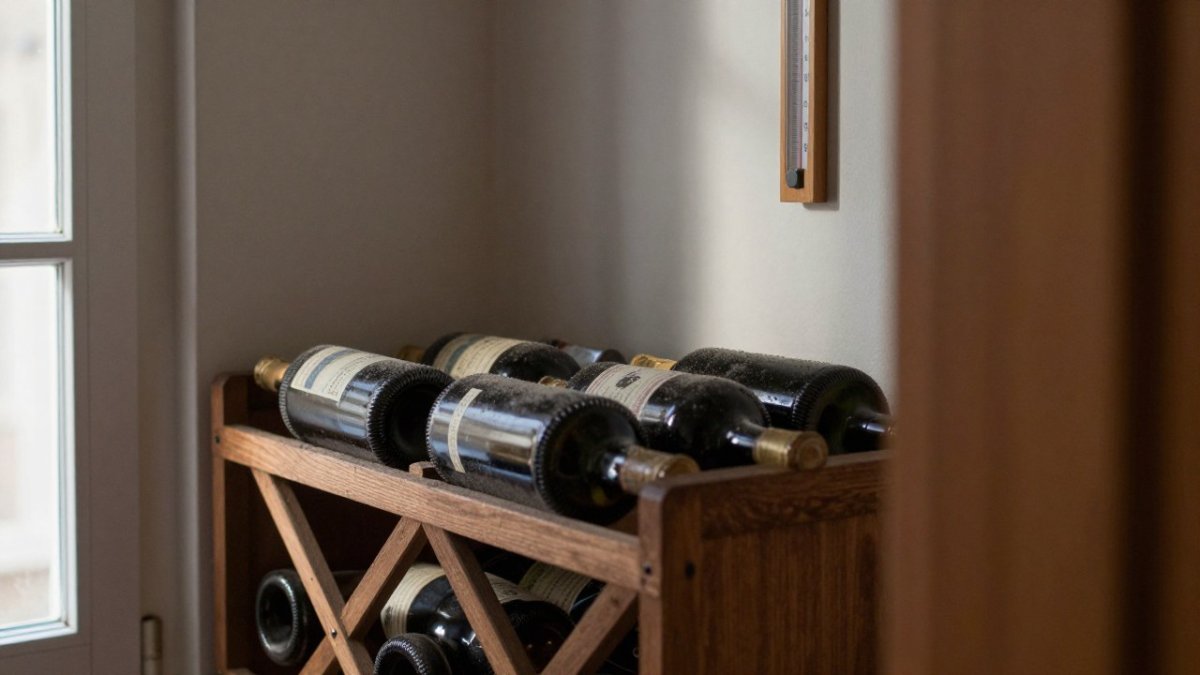
Watch out: storing bottles upright for months dries the cork and lets air in. Lay them down.
Provenance, Authenticity and Delivery: What to Check
Provenance is the documented history of a bottle, covering where it was stored and how it travelled. Ask any merchant how they source stock and how it is shipped.
Authenticity checks matter most on higher-value bottles. Ask the merchant how they confirm a bottle's condition and origin before you buy.
Delivery is where good merchants prove themselves. Look for protective packaging, a tracked service, and clear terms on breakage. Confirm the delivery cost before checkout, especially on single bottles.
Before you buy, check the merchant's returns and breakage policy, and make sure it is written down.
Our Cos d'Estournel 2012, Saint-Estèphe 2ème Cru Classé at £175.00 is listed with exceptional provenance.
Premium Wine Prices: What You Pay at Each Level
Premium wine prices break into broad bands. Prices below reflect our own range.
| Price band | What you get | Example from our range |
|---|---|---|
| Under £50 | Mature, food-friendly bottles with real character | Faustino I Reserva 2008, £26.00 |
| £50-£100 | Single-estate wines with named provenance | Bertrand Bachelet Chassagny-Montrachet 2017, £65.00 |
| £100-£200 | Classed growths and collectable vintages | Château Smith Haut Lafitte 2010, £125.00 |
| £200+ | Trophy bottles and aged icons | Louis Roederer Cristal 1999, £450.00 |
The Faustino I Reserva 2008, 75th Anniversary Edition at £26.00 is a Rioja DOCa. The Bertrand Bachelet Chassagne-Montrachet 2017 at £65.00 is a 2017 white Burgundy.

Above £100, you are paying for scarcity and reputation as much as liquid. That is fine, as long as you know which one you are buying.
What the table cannot tell you is which band suits which occasion, so use this as a decision rule. For a dinner party where the wine is one of several bottles, the under-£50 band is the rational choice: a mature Rioja or an aged Sauvignon Blanc gives you character without a trophy premium. For a gift where the label will be seen, the £50-£100 band buys a named estate and a story, which is what most recipients remember. For a collector or a milestone anniversary, the £100-£200 band is where classed growths and collectable vintages begin, and the £200+ band is for bottles bought as much for scarcity as for drinking.
The Craggy Range Sauvignon Blanc 2016 from Marlborough is listed at £25.00.
Watch out: a high price is not proof of quality. Check the producer and the vintage rather than trusting the front of the bottle.
Premium wine prices by bottle
Building Your First Premium Wine Order
Build your first premium wine order around six bottles, not one: a sparkling, two reds, a white, a fortified wine and a wildcard. That mix covers most occasions and teaches you what you actually like before you spend more.
The Chateau Des Capucins Bordeaux 2023, box of six at £108.00 is a six-bottle case.
Then add one bottle you would not normally choose. The Dugat-Py Gevrey-Chambertin Vieilles Vignes 2020 at £145.00 is a 2020 Gevrey-Chambertin.

Buying premium wine online rewards a bit of nerve and a lot of checking. Start with a mixed case, verify provenance before you spend big, and store properly once the boxes arrive. Little Silver Wines and Spirits is an independent, family-run merchant with a curated selection of rare, vintage and collectable bottles, UK-wide delivery, and trade accounts for pubs, restaurants and retailers. Get started with Little Silver Wines and Spirits and build a cellar you actually drink from.
Frequently Asked Questions
What should I look for when buying premium wine online?
Check four things before you pay: the exact vintage and bottle size, the producer's reputation, whether provenance is stated, and how the retailer packs and delivers. A serious wine merchant lists the year, region and grape variety on every listing. Look for clear delivery terms and an age verification process, since selling alcohol online requires buyers to be over 18.
How do I ensure premium wine is stored correctly during delivery?
Ask how the retailer packs bottles and how it handles dispatch in hot or freezing weather. Once your premium wine arrives, open the box the same day and check the fill level, capsule and label. Stand bottles upright for a day before laying them down, then move them to a cool, dark spot at a steady temperature. Avoid leaving deliveries in a porch or shed for hours.
Are there specific vintage years to look for in 2026?
Vintage matters most for fine wine that ages, such as Bordeaux, Burgundy and Rioja Reserva. Always judge the specific bottle in front of you: storage history affects a wine far more than the year on the label.
What is the best way to gift premium wine online?
Match the bottle to the occasion and the recipient's taste. Champagne in a gift box suits celebrations, a named-vineyard red suits a collector, and a mixed case works for someone exploring a region. Set a budget first, then ask the retailer about packaging and delivery timing so the bottle arrives before the date.
How does buying from an independent retailer differ from large chains?
An independent wine merchant can offer a different range from a supermarket. Ask what is stocked and how specific wines can be sourced.